Earn Trust With Every Interaction: Why Consistency and Transparency Matter in Financial Services
In financial services, trust is the foundation of every customer relationship. When clients entrust their money, investments, or critical financial decisions to your organization, they expect more than just transactions—they expect consistency, transparency, and reliability at every touchpoint. Yet many financial institutions are still struggling to deliver on this promise, losing customers and loyalty because their interactions feel fragmented, inconsistent, or opaque.
The Challenge of Inconsistent Customer Experiences
Financial customers today interact with their institutions across multiple channels: mobile apps, websites, call centers, branch offices, and even third-party platforms. Each interaction represents an opportunity to build trust—or to erode it. When a customer receives different information from different channels, experiences delays in getting answers, or feels like they’re starting from scratch with each new representative, trust diminishes.
These inconsistencies create a compounding problem. A customer who struggles to get clarity on a policy’s language might visit the branch, call support, and check the website—only to receive three slightly different explanations. This fragmentation doesn’t just frustrate customers; it creates compliance risks, reduces customer lifetime value, and increases churn.
Why Every Interaction Matters
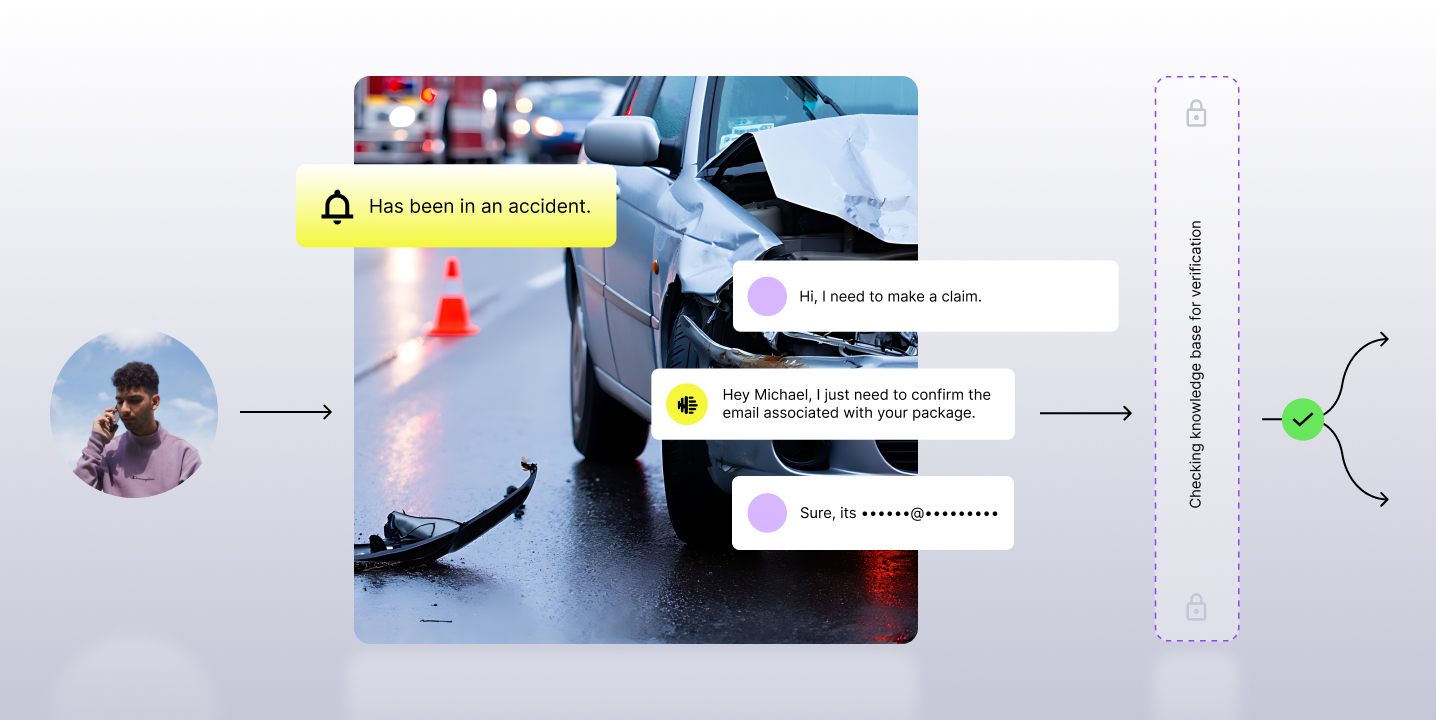
In financial services, small details matter enormously. A customer calling about a claim expects the representative to have full visibility into their history. A client reviewing account statements expects consistent terminology and presentation. Someone requesting a policy update expects that request to be tracked and communicated accurately across all channels.
The cost of getting these details wrong extends beyond a single frustrated customer. Miscommunications about policy terms can lead to disputes. Inconsistent guidance across channels can create compliance exposures. Customers who feel confused or unheard are more likely to switch to competitors—and more likely to warn others about their experience.
Building Consistency Through Unified Systems
The path to earning trust in every interaction begins with unified systems that give every team member the complete, accurate picture. When your customer service representatives, advisors, operations teams, and back-office staff are all working from the same source of truth, several things happen simultaneously:
Customers receive consistent information regardless of channel or representative. A question answered on Tuesday gets the same response on Friday, whether the customer calls or visits the website. This consistency builds confidence that your organization knows what it’s talking about and has organized processes in place.
Representatives can resolve issues faster because they’re not searching across disconnected systems or making assumptions. They have all relevant customer history, policy details, transaction records, and previous interactions visible in one place, which means they can provide informed, confident service immediately.
Compliance becomes embedded in the process. When all team members are working from verified, up-to-date information in a single system, the risk of miscommunication, outdated guidance, or untracked commitments drops dramatically. Every interaction is documented and consistent with organizational standards.
The transparency advantage is equally important. When customers see that their institution operates with clear processes, consistent policies, and accurate information across all touchpoints, trust strengthens. They understand the organization, feel confident in its operations, and are more likely to expand their relationship with your institution.
Moving From Reactive to Proactive Service
Unified systems also transform how financial institutions approach customer service. Instead of waiting for problems to arise, institutions can be proactive. Are certain customers struggling with a particular process? The unified data reveals patterns. Are there compliance gaps or inconsistencies in how different teams handle similar situations? The system surfaces these for immediate attention.
This shift from reactive to proactive creates another trust-building benefit: customers feel the institution cares enough to anticipate their needs. When a financial advisor notices that a customer’s portfolio hasn’t been rebalanced in two years, they can reach out proactively. When support teams see customers struggling with a particular process, they can improve it before more complaints arrive. When back-office teams identify compliance gaps, they can be resolved before they become problems.
The Competitive Edge of Trust
Financial services are increasingly competitive. Customers are switching at higher rates, digital-native competitors are entering the market, and regulations are tightening. Yet amid this turbulence, the institutions winning are those that have earned deep customer trust through consistently delivering on their promises.
Trust, built through consistent, transparent, unified interactions, creates a defensible competitive advantage. Customers don’t switch easily when they’ve come to trust an institution. They’re more likely to expand relationships, provide referrals, and forgive occasional missteps because they believe the institution genuinely has their interests in mind. That trust is the result of thousands of small, consistent interactions demonstrating competence and care.
Ready to Earn Trust in Every Interaction?
If your financial services organization is ready to transform customer interactions and build lasting trust, the journey begins with unifying your systems and processes. When every representative, advisor, and team member has access to complete, accurate, consistent information—and when every customer interaction is recorded and analyzed—you’ve built the foundation for genuine trust.
The Insider’s Guide to Financial Services Automation provides a comprehensive roadmap for implementing unified systems that transform customer experiences. Discover how to eliminate fragmentation, build consistency, reduce compliance risk, and create the kind of customer relationships that last. Download the ebook today and learn why the most trusted financial services organizations are unifying their operations to deliver better service at every interaction.
Subscribe to our newsletter.
Frequently Answered Questions


.jpg)

.png)
.jpg)