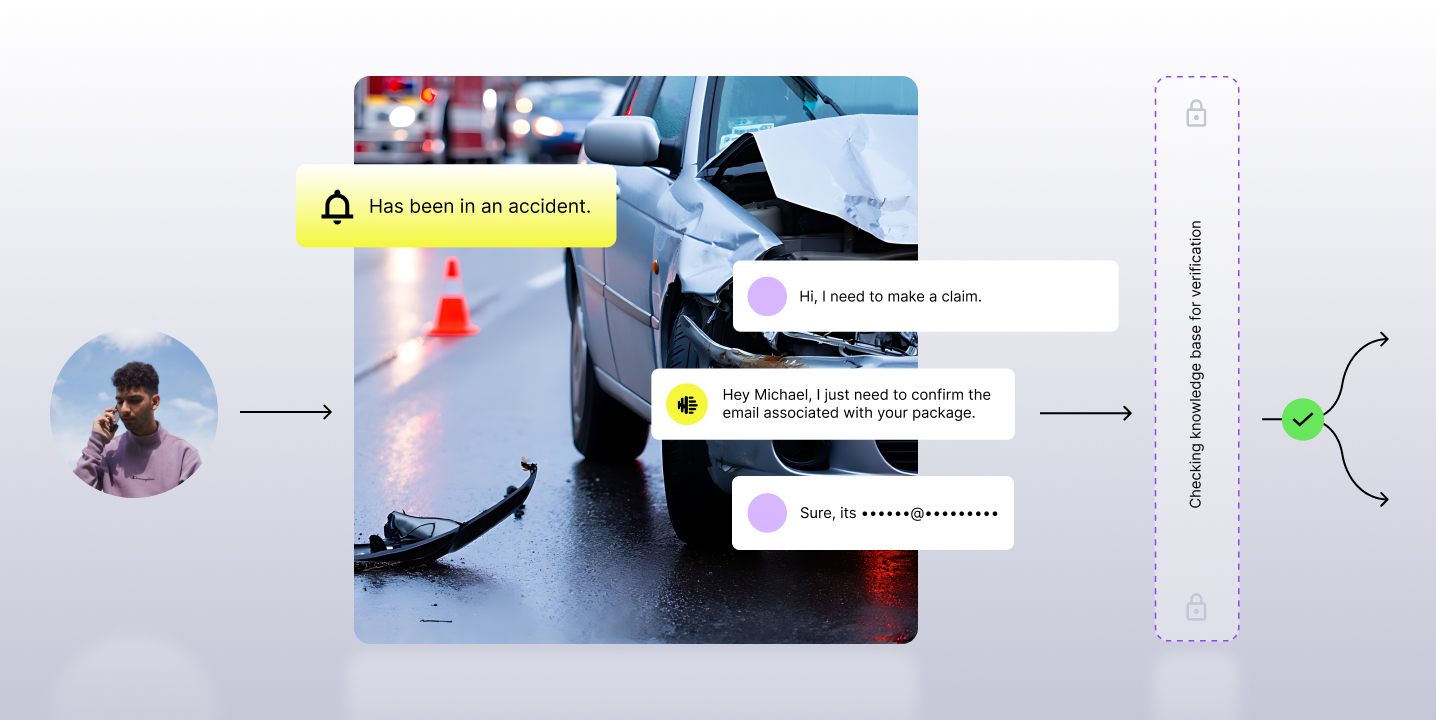
Control Points Before Speed: Why Financial Services Automation Needs Guardrails, Not Just Efficiency
In the rush to compete in an increasingly digital financial services landscape, many organizations are pursuing automation as an end in itself. The goal is simple enough: process transactions faster, reduce manual work, cut costs, and deliver services with minimal human intervention. Yet organizations that pursue speed without establishing adequate control points are creating serious risks—compliance exposures, customer harm, and operational chaos that can ultimately cost far more than any efficiency savings provide.
The False Choice Between Control and Speed
There’s a persistent misconception in financial services that control and speed are trade-offs. The argument goes like this: if you want to move fast, you have to accept less oversight. If you want tight controls, you’ll be slow. But this binary thinking misses the real opportunity. The best financial services organizations aren’t choosing between control and speed—they’re building automation with the control points embedded from the start.
Real speed in financial services doesn’t come from eliminating oversight. It comes from automating routine decisions and processes while building in verification, escalation, and human review at exactly the points where judgment, compliance, or customer impact matters. This is the difference between dangerous automation and intelligent automation.
Understanding Where Control Points Matter
Not every financial transaction needs the same level of scrutiny. Some decisions can be fully automated because the risk profile is low and the rules are clear. An automated response to a routine inquiry, for instance, can be sent without human review as long as it’s generated from verified, current information. A processed claim for a straightforward loss can often be approved automatically when it meets defined criteria.
But other decisions absolutely require human judgment or additional verification. A claim that touches on policy language that could be interpreted multiple ways needs human review. A request that doesn’t fit standard patterns needs escalation. A transaction that appears to exceed normal customer behavior needs verification. Aging account files need regular human attention to ensure nothing critical is missed.
The financial institutions winning in today’s market aren’t the ones running the fastest automation. They’re the ones that have thought strategically about which processes can be automated, which require human oversight, and where the control points should sit. They’ve designed their automation to surface exceptions, flag unusual patterns, and escalate appropriately without creating bottlenecks.
Building Intelligent Automation With Guardrails
Intelligent automation with guardrails looks different from pure automation. It involves:
- Defining clear rules about what can be automated versus what needs human judgment. These rules should be based on risk, compliance, and customer impact—not just on what’s technically possible to automate.
- Building exception-handling directly into automated workflows so that anything that doesn’t fit standard patterns is flagged for human review rather than forced through an inappropriate automated process.
- Establishing audit trails for every decision, whether made by automation or humans, so that the organization has complete visibility and can demonstrate compliance when needed.
- Creating escalation paths that get customers and problems to the right human when needed, without forcing them through unnecessary delays.
- Monitoring automated systems continuously to identify patterns, emerging risks, or unintended consequences that might not be immediately apparent.
The Cost of Control Points
Some organizations resist building control points into automation because they think it reduces efficiency gains. In reality, appropriate control points protect efficiency gains. They prevent the kind of mistakes, compliance violations, and customer harm that destroy efficiency and create enormous costs.
Consider a claim processing system that approves 99% of claims automatically without human review. That sounds efficient until one percent of claims—the ones that need human judgment—create compliance issues, customer disputes, or operational chaos that require extensive manual correction. The organization has actually created more work, not less, by eliminating the right control points.
By contrast, an organization that automates 70% of claims fully, requires human review for 25%, and escalates 5% to specialists has built efficiency with safety. The automation still saves enormous time, but the control points ensure that the cases requiring judgment get appropriate attention.
The Competitive Advantage of Trusted Automation
Financial services customers want speed and convenience, but they want it without taking on extra risk. A customer who processes a transaction with your institution and later discovers it involves unvetted automation or missing controls doesn’t feel grateful for the speed—they feel violated. The organization has prioritized efficiency over care.
Conversely, organizations known for implementing intelligent automation with clear guardrails build customer trust. Customers and regulators alike understand that these organizations are using technology to serve better, not to cut corners. This trust becomes a competitive advantage that pure speed cannot deliver.
Regulators are increasingly scrutinizing financial institutions’ automation practices. They want to see clear control points, documented decision logic, and appropriate escalation. Organizations that have built their automation thoughtfully, with control points at the right places, pass this scrutiny. Those that chase pure speed often face enforcement actions that undermine their competitive position.
Ready to Build Automation With Intelligence?
If your financial services organization is ready to pursue intelligent automation—speed with safety, efficiency with control—the Insider’s Guide to Financial Services Automation provides a strategic framework for building automation that works. Learn how to identify where automation adds the most value, design control points that protect and enable, and create the kind of trusted, efficient operations that set market leaders apart from the rest.
Download the ebook today and discover how to build automation that your customers can trust and your regulators will respect.
Subscribe to our newsletter.
Frequently Answered Questions


.jpg)

.png)
.jpg)