Adding Staff Doesn’t Solve the Availability Problem
When patients are waiting on hold, voicemails are piling up, and schedulers are overwhelmed, the obvious response is to hire more people.
Add another scheduler. Increase front-desk coverage. Build a centralized patient access team. Extend operating hours. Create another queue to handle the overflow.
Sometimes additional staffing is necessary. But if the underlying work is repetitive, inefficient, and growing faster than the practice can hire for, adding headcount may simply increase the cost of the same operating model.
That is the difference between a staffing problem and an availability problem.
A staffing problem means there are not enough people to complete work that genuinely requires people. An availability problem means patients cannot reliably get what they need when they are ready to act.
The two problems are related, but they require different solutions.
More people do not always create more availability
Medical practices face sustained pressure from labor costs, staffing shortages, employee turnover, and rising patient expectations. Hiring more people has become more expensive, while recruiting and training qualified staff can take months.
That makes it important to understand what new employees are being hired to do.
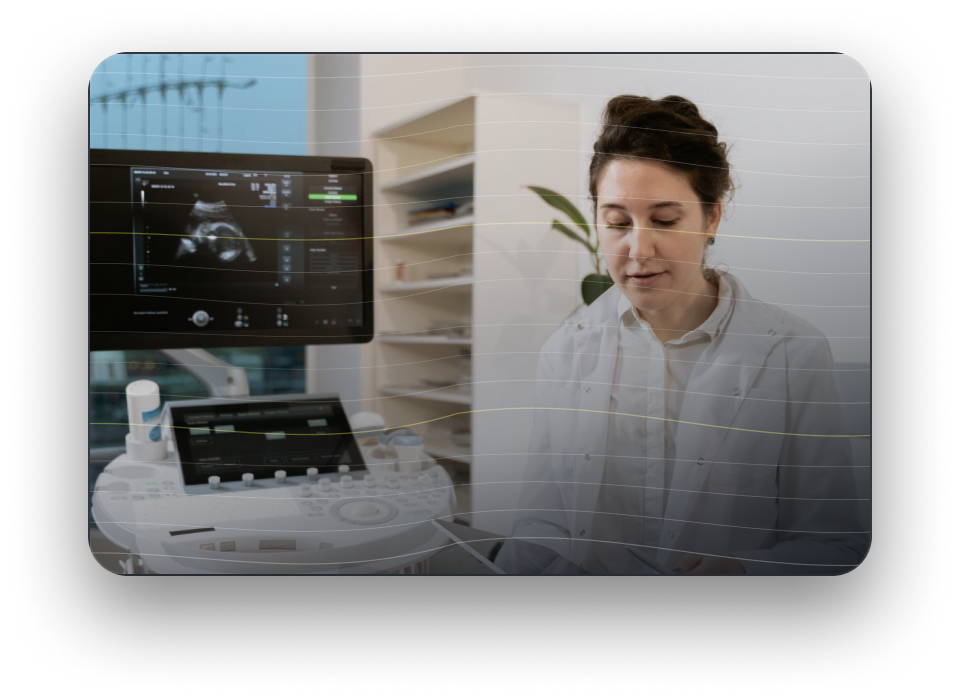
If a new scheduler spends much of the day changing appointments, repeating office directions, answering the same preparation questions, documenting routine calls, or searching for information across systems, the practice has added labor without improving the way work gets done.
The queue may become shorter for a while. As patient volume increases, the same pressure returns.
This is particularly challenging for practices expanding locations, adding providers, or introducing new services. If every increase in demand requires a proportional increase in administrative staff, growth becomes more expensive and difficult to manage.
Patient access automation creates another option. Instead of asking how many more people are needed to absorb the volume, practices can examine which parts of that volume need a person at all.
Patient volume is not the same as patient complexity
Patient access teams manage a large number of interactions, but not all require the same skills.
Some situations require judgment and empathy. A referral is incomplete. An insurance issue needs investigation. A patient has an unusual scheduling need. A frustrated family member needs someone to take ownership of a problem. A provider’s rules require interpretation.

Other requests are predictable. A patient wants to find the next available appointment, reschedule an existing visit, cancel an appointment, confirm the office address, or ask what to bring. These requests matter, but they often follow established workflows.
When the same workforce handles both types of interactions in the same way, routine work competes with complex patient needs for attention.
A scheduler changing an appointment is unavailable to help a patient resolve a difficult referral issue. A front-desk employee repeating office hours is not available to support the patient standing in front of them. A representative documenting a routine call cannot answer the next patient waiting in the queue.
This is one reason hold times and backlogs can continue even after a practice adds staff.
What is patient access automation?
Patient access automation uses technology to complete routine administrative workflows without requiring an employee to perform every step manually.
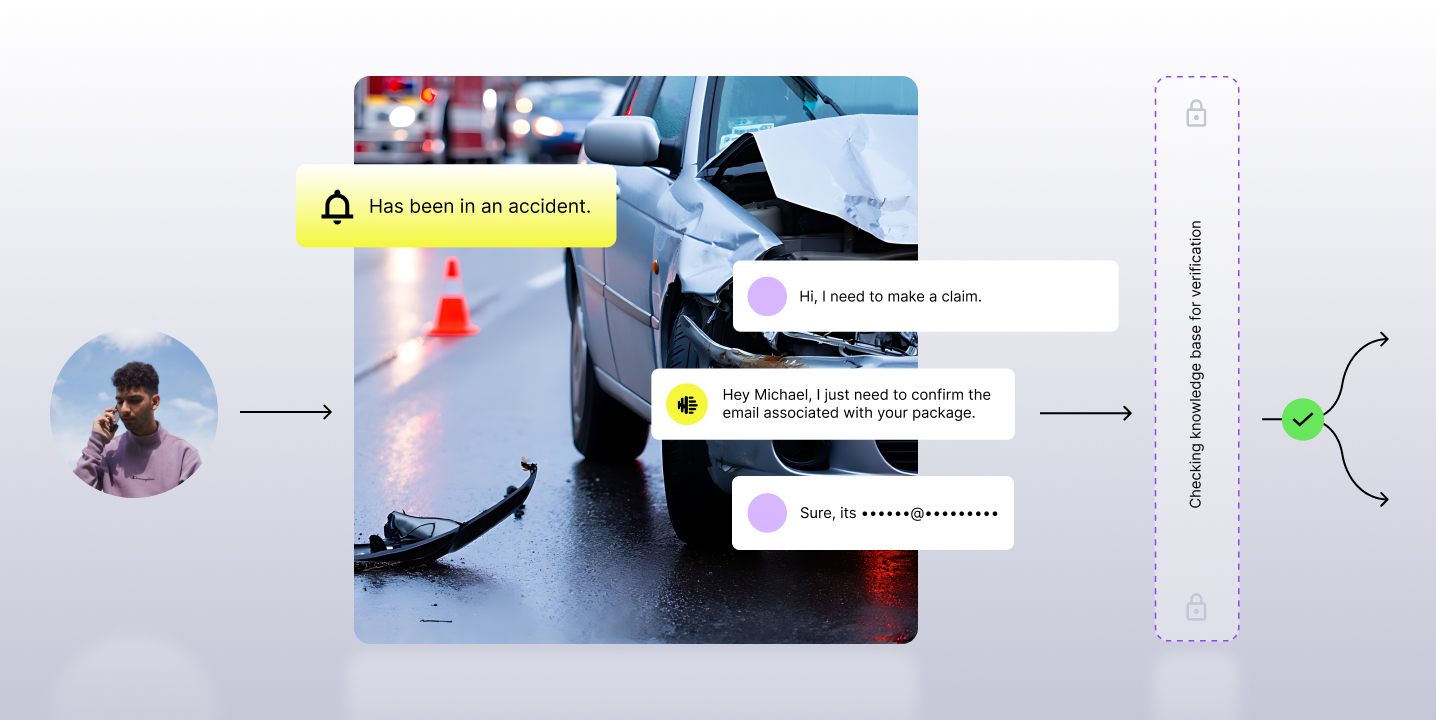
Voice AI and Chat AI can help patients schedule, reschedule, or cancel appointments. They can answer common questions, collect required information, route requests, and support other defined workflows through phone and digital channels.
Unlike voicemail or a basic web form, conversational automation can interact with the patient in real time. It can ask clarifying questions, follow the practice’s approved rules, and help the patient reach an appropriate next step.
The patient receives immediate help. The practice reduces the amount of repetitive work entering staff queues.
Patient access automation should not be designed to prevent patients from reaching people. It should distinguish between tasks that can be completed through a defined workflow and situations that require judgment, empathy, or intervention.
The objective is to use staff time where it produces the most value.
What is the difference between AI agent assist and AI voice agents?
AI voice agents interact directly with patients. They can answer calls, understand requests, and complete approved tasks such as scheduling, rescheduling, cancellations, appointment confirmation, and routine information requests.
AI agent assist software supports employees during live patient interactions. Observe.AI Companion Agent, for example, can provide real-time guidance, surface approved information, present relevant next steps, and support workflow completion while the employee remains in control.
The two technologies address different sources of workload.
AI voice agents can absorb repetitive requests before they enter the staff queue. AI agent assist can help employees resolve complex interactions that remain more efficiently and consistently.
Used together, they create a more flexible capacity model. Automation handles defined tasks, while staff receives additional support for situations that still need a person.
Automate the repeatable work, not the patient relationship
The strongest use of healthcare call center automation is not replacing every human interaction. It is matching each request with the right level of support.

A patient who wants to cancel an appointment at 8 p.m. should not have to wait until the office opens. A caller asking for directions should not occupy the same queue as someone trying to resolve a time-sensitive referral. A scheduler should not have to search several systems for information that could have been presented automatically.
AI voice agents for patient scheduling can handle repeatable workflows immediately, including after regular business hours. Chat AI can provide similar access through digital channels.
More complex requests can still reach staff. When they do, Companion Agent can help the employee understand the context, locate relevant information, and follow the appropriate workflow.
This makes the human interaction more valuable. Staff can concentrate on resolving problems, explaining options, and supporting patients rather than performing repetitive administrative steps.
How can hospitals reduce call center wait times with AI?
Hospitals and practices can reduce wait times by removing routine requests from the live staff queue.
If patients can independently confirm an appointment, find a location, cancel a visit, or select a new time, fewer calls need to wait for a scheduler. That creates more availability for patients whose needs cannot be handled through automation.
AI can also help during sudden increases in volume. An AI voice agent can answer immediately, identify the reason for the call, and either complete an approved workflow or direct the patient to the appropriate team.
This is different from simply adding another phone menu. A traditional menu asks the patient to choose a department. Conversational AI allows the patient to explain what they need in their own words and then applies the organization’s processes behind the scenes.
Reducing hold times in hospital call centers with AI should improve access to people, not eliminate it. The measure of success is whether routine needs are completed faster and complex needs reach qualified staff sooner.
Availability is also a process design problem
A practice can have enough employees and still be difficult to reach.
Operating hours may not reflect when patients need help. Calls may be routed according to departments rather than patient intent. Different locations may follow different processes. Staff may switch among several systems to complete one request. Online forms may collect information without completing the task.
Hiring does not automatically solve these problems. In some cases, additional staff can hide inefficient processes because more labor is available to work around them.
A better approach is to examine where people are being used as bridges between disconnected workflows.
Where do employees copy information from one system to another? Which answers do they repeatedly search for? Which requests arrive after hours and become work for the next morning? Where do patients need to repeat information? Which calls could be completed without a transfer or callback?
These are opportunities to redesign patient access before adding more headcount.
Measure operational capacity, not only staffing levels
Headcount explains how many people are available. It does not show how effectively patients can complete what they need.
Practice leaders should also examine how many patient requests are resolved without a callback, how often routine workflows are completed through automation, and how many calls require a transfer. They should understand how much after-hours demand becomes next-day work and how often employees need help answering recurring questions.
Scheduling outcomes matter as well. Practices can measure how many patients successfully self-schedule or reschedule, how quickly canceled appointments return to inventory, and how often open slots are refilled.
These measures reveal whether the practice is becoming more available or simply becoming larger.
They can also help leaders identify where AI agent assist software or patient access automation is improving practice efficiency and where process friction still requires attention.
Support growth without matching every patient with more administrative work
Practices planning to add providers, locations, or service lines need an access model that can grow without requiring administrative headcount to increase at the same rate.
A labor-dependent model becomes more difficult to sustain as volume rises. The organization must recruit, train, schedule, supervise, and retain more employees while managing differences in performance across people and locations.
Automation allows the practice to absorb more routine demand without creating the same amount of administrative work. AI assistance helps existing staff manage the complex requests that remain.
This does not reduce the importance of experienced patient access employees. It makes their time more valuable by concentrating it on work where human communication and judgment matter most.
Adding staff can provide temporary relief. It does not necessarily make the practice easier to reach.
A more durable approach combines people, automation, and real-time assistance. Patients can complete routine tasks immediately, employees receive support during difficult interactions, and the practice gains a capacity model that can grow without relying on headcount as the answer to every increase in demand.
Subscribe to our newsletter.
Frequently Answered Questions